The Relationship Between Irrigation and Drainage
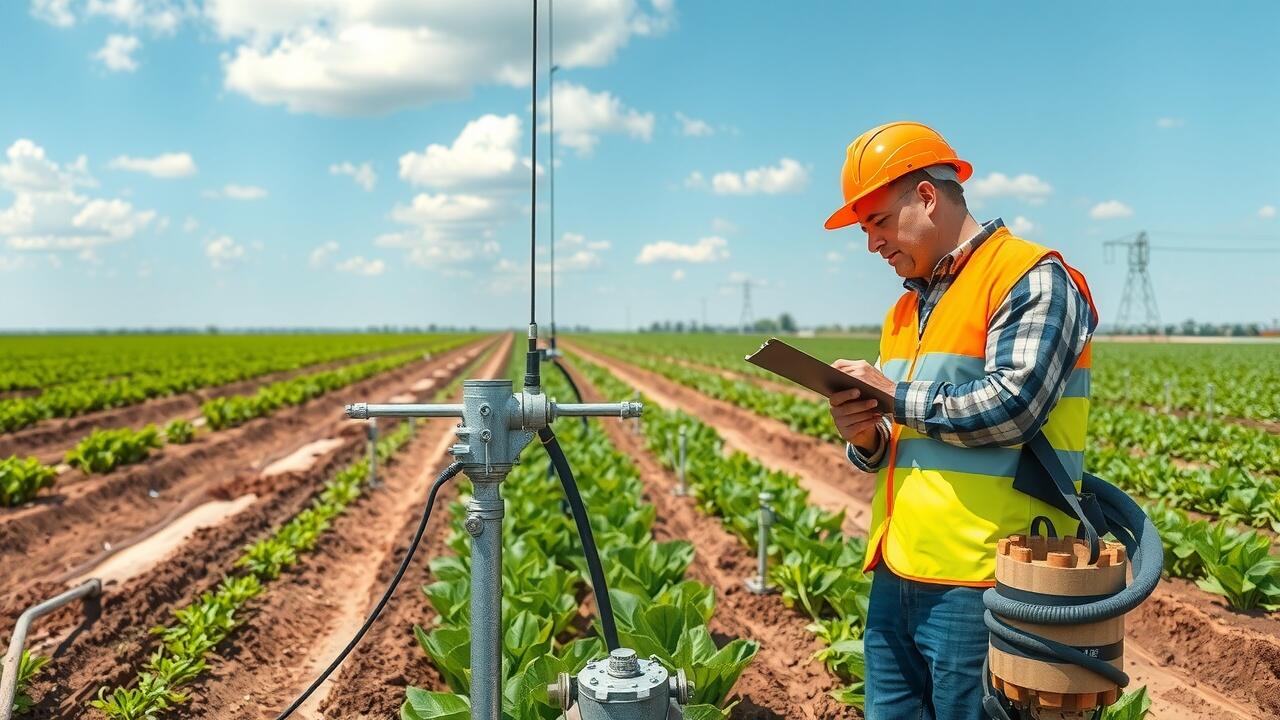
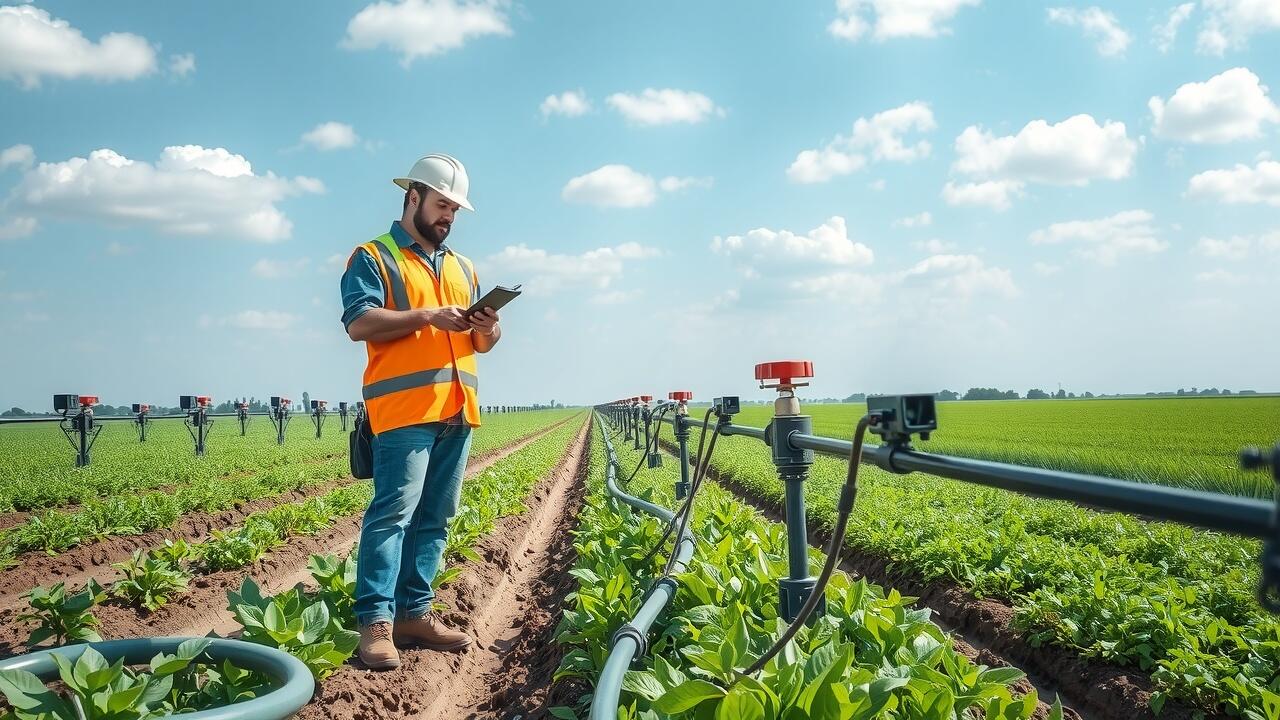
Irrigation and drainage systems work together to manage water resources effectively in agricultural practices. These systems ensure that the plants receive adequate moisture while preventing excess water that can lead to soil saturation and root rot. In regions like Miami Beach, Florida, where the subtropical climate can present challenges in controlling water levels, a well-designed irrigation and drainage strategy is crucial for maintaining healthy crops and landscapes.
Inadequate drainage can lead to waterlogging, negatively impacting crop yields and soil health. Conversely, insufficient irrigation can stress plants during dry spells, affecting their growth and productivity. Effective integration of irrigation and drainage in locations such as Miami Beach helps maintain the balance needed for optimal agricultural performance while also considering water conservation practices.
Balancing Water Management
Effective water management relies heavily on the balance between irrigation and drainage. In areas like Miami Beach, Florida, where climate and soil conditions vary, proper management is crucial for maintaining healthy ecosystems and agricultural productivity. Irrigation provides essential moisture to crops, while effective drainage ensures that excess water does not lead to problems such as soil saturation or erosion. This delicate balance allows for optimal growing conditions while safeguarding against potential environmental hazards.
Balancing water management also involves considering the local community’s needs and the ecosystem’s health. In Miami Beach, irrigation practices must be tailored to avoid overuse of water resources, especially given the effects of climate change. Drainage systems should be designed to manage stormwater effectively, preventing flooding and facilitating groundwater recharge. Therefore, integrating both irrigation and drainage strategies is key to sustaining the local environment while enabling agricultural and recreational uses of land.
Environmental Impact of Irrigation
Irrigation plays a crucial role in agricultural productivity but also raises environmental concerns. The use of water for irrigation can lead to changes in local ecosystems, affecting both plant and animal species. In regions like Miami Beach, Florida, where unique coastal ecosystems exist, the introduction of large volumes of freshwater can disrupt the natural salinity balance. This can impact the flora and fauna that have adapted to specific conditions over millennia, leading to potential declines in biodiversity.
Additionally, the runoff from irrigated fields can carry fertilizers and pesticides into nearby water bodies. This not only pollutes local waterways but can also create issues such as eutrophication, which depletes oxygen levels and harms aquatic life. The interplay of irrigation and drainage in Miami Beach adds another layer of complexity, as excessive drainage can exacerbate these problems by altering groundwater levels and increasing the likelihood of saltwater intrusion. Proper management practices are essential to mitigate these adverse effects while sustaining agricultural output.
Influence on Soil Health
Irrigation practices significantly affect soil health by influencing nutrient availability and microbial activity. When managed correctly, irrigation can enhance soil structure and moisture retention. Over time, the right irrigation techniques can support the growth of beneficial microorganisms, which play a crucial role in nutrient cycling. This fosters a healthy ecosystem that promotes plant growth and maintains soil fertility.
In contrast, improper irrigation can lead to issues such as salinity and nutrient leaching. Excess water can wash away essential nutrients, leading to deficiencies in the soil. In regions like Miami Beach, Florida, where environmental conditions vary, understanding the balance between irrigation and drainage becomes vital. Effective management in this area can mitigate negative impacts on soil health, ensuring sustainable agricultural practices.
Challenges in Irrigation Practices
Irrigation practices face numerous challenges that can hinder their effectiveness and sustainability. Water scarcity stands at the forefront, with increasing demands from agriculture, urban development, and industrial use. This pressure can lead to over-extraction of groundwater and depletion of surface water sources. Additionally, climate change impacts such as altered precipitation patterns and rising temperatures further complicate water availability. The balance between demand and supply becomes increasingly difficult to maintain, especially in regions where water resources are inherently limited.
Efficiency issues also plague irrigation practices, as outdated systems can lead to significant water wastage. In places like Miami Beach, Florida, the need for modernized infrastructure is critical. Uneven distribution, evaporation losses, and deep percolation can all result in less effective water use. Farmers and land managers strive to implement more advanced systems and innovative technologies to ensure that every drop contributes to crop yields. Addressing these challenges requires a concerted effort from stakeholders across various sectors to enhance water management practices in the area.
Water Scarcity and Efficiency Issues
Water scarcity is an increasingly pressing issue that affects the efficiency of irrigation practices worldwide. In regions like Miami Beach, Florida, the balance between urban development and agricultural needs places tremendous pressure on local water resources. Inadequate rainfall during dry seasons can lead to competition for available water, impacting both residential and agricultural demands. Efficient irrigation techniques are vital in mitigating this scarcity, ensuring that crops receive adequate moisture while minimizing waste.
Moreover, the practices surrounding irrigation and drainage systems must evolve to address these challenges. Traditional methods may no longer suffice given the rapid changes in climate and increased water usage. In Miami Beach, initiatives focused on sustainable irrigation practices are essential. Enhanced technology can play a significant role in monitoring water usage, optimizing the application of water, and ultimately ensuring that both urban landscapes and agricultural areas thrive amidst potential water shortages.
FAQS
What is irrigation?
Irrigation is the artificial application of water to soil or land to assist in the growth of crops and vegetation, ensuring they receive adequate moisture for optimal growth.
What is drainage?
Drainage refers to the removal of excess water from soil or land, preventing waterlogging and ensuring that plants have access to the right amount of moisture needed for healthy growth.
How do irrigation and drainage work together?
Irrigation and drainage work together by managing water levels in soil. While irrigation supplies necessary water to crops, drainage removes surplus water, helping maintain a balanced environment for plant health.
What are the environmental impacts of irrigation?
Irrigation can lead to various environmental impacts, including changes in local ecosystems, potential soil degradation, and the alteration of water tables, which can affect nearby water sources and habitats.
What challenges do farmers face with irrigation practices?
Farmers often encounter challenges such as water scarcity, inefficient water use, and the need to balance irrigation with drainage to prevent negative impacts on crop yields and soil health.