Calculating Water Requirements
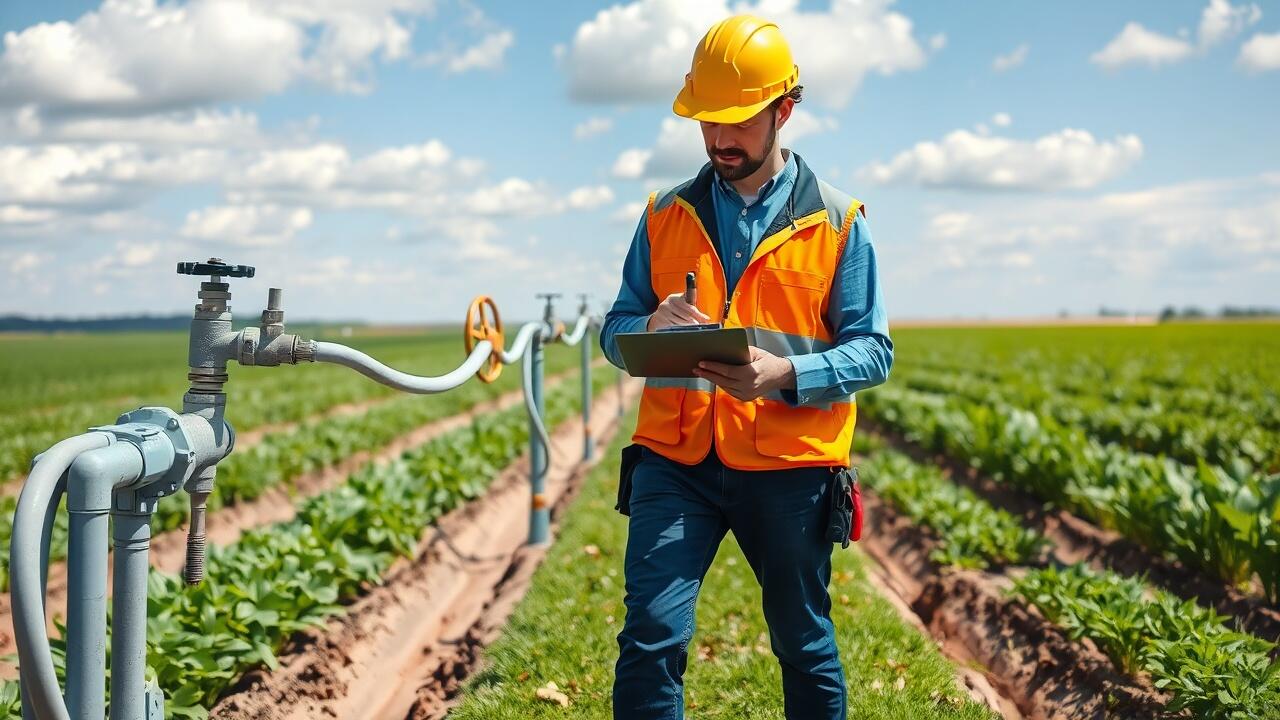
Calculating water requirements is crucial for any effective irrigation system, especially in a unique environment like Coconut Grove, Florida. Understanding the specific water needs of the plants you are growing will help ensure they receive adequate moisture without overwatering. Factors such as plant type, soil composition, weather patterns, and local climate all contribute to determining these needs. It’s essential to consider the growth stages of the plants, as their water needs will vary throughout their development.
By taking into account the average rainfall in Coconut Grove and seasonal variations, you can create a more efficient irrigation plan. Regular monitoring and adjusting the system as needed can minimize water waste and optimize plant health. Utilizing resources dedicated to irrigation strategies is helpful, such as those provided by localized studies on irrigation & drainage in Coconut Grove, Florida. Understanding these dynamics facilitates the creation of a tailored approach for the region’s unique environmental conditions.
Estimating Plant Needs Based on Growth Stages
Understanding the growth stages of plants is crucial for designing an effective irrigation system in Coconut Grove, Florida. Different plants have varying water needs as they progress from seedling to maturity. For example, young seedlings require more frequent watering to establish their root systems, while mature plants can tolerate longer intervals between irrigations. By recognizing these stages, one can tailor the irrigation schedule to align with the specific needs of each plant type.
Incorporating knowledge about growth stages into the irrigation design can also enhance efficiency and reduce waste. For instance, adjusting the amount of water supplied during flowering or fruiting phases can ensure that plants receive adequate moisture without overwatering. This targeted approach contributes to better resource management and supports sustainability in irrigation practices. By integrating such strategies into the design of an irrigation system, it aligns with the principles of effective irrigation & drainage in Coconut Grove, Florida.
Evaluating System Efficiency
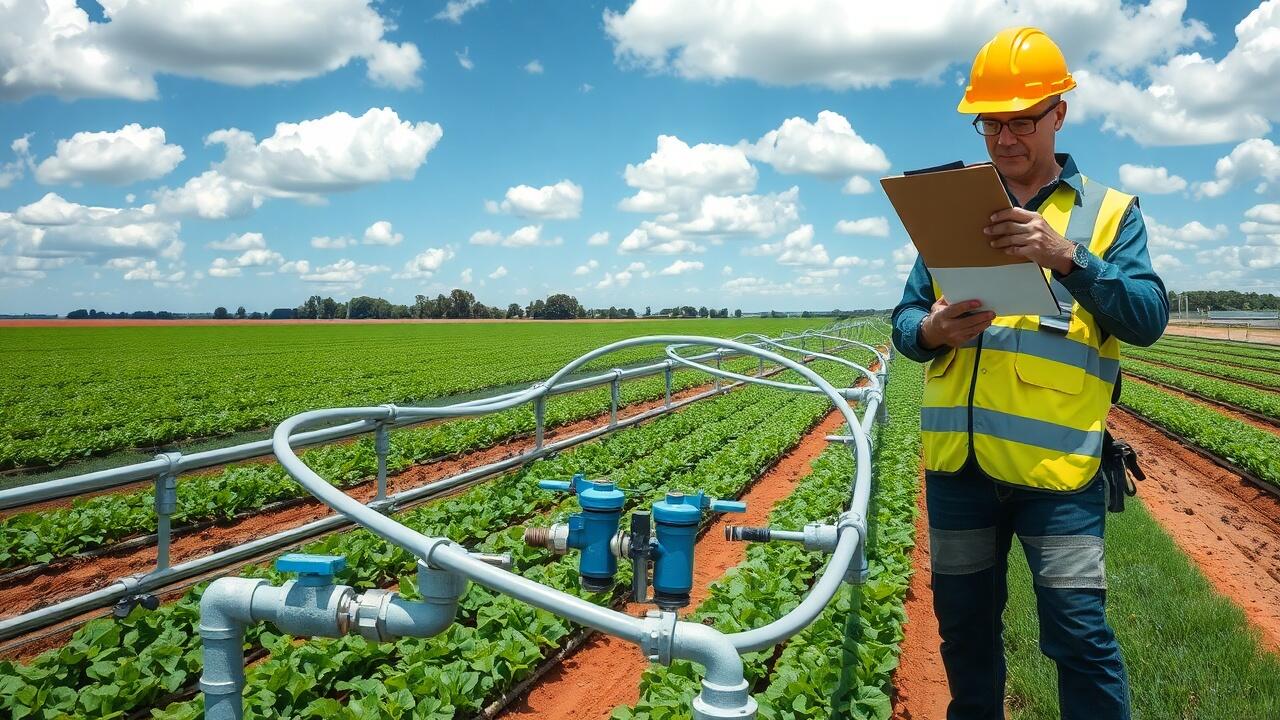
Assessing the efficiency of an irrigation system is crucial for ensuring optimal water use. Different methods can help evaluate this efficiency, such as checking the uniformity of water distribution across the irrigation zone. Conducting pressure tests can highlight any inconsistencies or leaks in the system. Regular monitoring can prevent water waste and enhance the system’s performance, making it essential for maintaining healthy landscapes in Irrigation & Drainage in Coconut Grove, Florida.
Incorporating technologies like smart controllers can significantly improve irrigation efficiency. These devices adjust watering schedules based on real-time weather data and soil moisture levels. By utilizing such automation, homeowners can reduce the chances of overwatering and contribute to sustainable water management practices. Regular system evaluations will not only optimize water use but also promote healthy plant growth, creating a thriving environment in Irrigation & Drainage in Coconut Grove, Florida.
Use of Timers and Smart Controllers
Integrating timers and smart controllers into an irrigation system can significantly enhance efficiency in Irrigation & Drainage in Coconut Grove, Florida. These devices allow for precise scheduling, tailoring watering times to plant needs and environmental conditions. By adjusting the frequency and duration of irrigation cycles, a system can supply the right amount of water without over-saturating the soil, thereby reducing waste.
Smart controllers take it a step further by utilizing weather data and soil moisture levels to make real-time adjustments. This ensures that watering only occurs when necessary, further conserving water. Over time, these technologies not only improve water efficiency but can also lead to healthier plants, as they prevent both drought stress and waterlogging, common issues in tropical climates.
Considering Environmental Impact
Designing an irrigation system in Coconut Grove, Florida involves careful consideration of environmental impacts. The local ecosystem can be sensitive to changes in water usage and runoff patterns. It is essential to minimize any adverse effects on nearby waterways and habitats. Implementation of efficient irrigation methods can contribute significantly. Choosing systems that distribute water effectively reduces waste and helps maintain the area’s natural balance.
The integration of best practices in Irrigation & Drainage in Coconut Grove, Florida is crucial for promoting sustainability. Utilizing advanced technologies like drip irrigation can minimize evaporation and runoff while ensuring that plants receive adequate moisture. Implementing strategies to capture rainwater can further enhance conservation efforts. By focusing on these environmentally responsible measures, individuals and communities can foster a healthier ecosystem while still meeting agricultural and landscaping needs.
Reducing Runoff and Promoting Conservation
Managing runoff is crucial for maintaining the health of local ecosystems in Coconut Grove, Florida. Implementing techniques like rain gardens and bioswales can effectively mitigate excess water flow while enhancing the landscape’s aesthetic appeal. These practices allow for better water infiltration into the ground, reducing the chances of harming nearby waterways. Incorporating native plants in these designs not only supports local biodiversity but also minimizes the need for additional irrigation, as these plants are well-adapted to the regional climate.
Promoting conservation within irrigation systems involves thoughtful planning and technology integration. Utilizing tools such as moisture sensors can lead to more efficient water usage by ensuring that irrigation only occurs when necessary. Additionally, implementing a drip irrigation system can deliver water directly to the root zone, minimizing evaporation and runoff. By focusing on efficient methods, residents can contribute to sustainable practices that support the overarching goal of reducing water waste in Irrigation & Drainage in Coconut Grove, Florida.
FAQS
What factors should I consider when calculating water requirements for my irrigation system in Coconut Grove?
When calculating water requirements, consider the types of plants you are irrigating, their growth stages, local climate conditions, and soil type. It’s important to ensure that your system can meet the specific water needs of your plants while avoiding overwatering.
How can I estimate plant needs based on their growth stages?
Estimating plant needs based on growth stages involves assessing the water requirements at different phases of growth, such as germination, vegetative, flowering, and harvesting stages. Young plants typically need more frequent watering, while established plants may require less.
What are some ways to evaluate the efficiency of my irrigation system?
To evaluate system efficiency, monitor water usage and distribution uniformity. Look for signs of water waste, such as pooling or runoff, and check if all areas are receiving adequate coverage. Regular maintenance of the system can also improve efficiency.
How do timers and smart controllers improve irrigation system performance?
Timers and smart controllers enhance irrigation system performance by automating watering schedules based on weather conditions and soil moisture levels. This helps prevent overwatering, conserves water, and ensures plants receive the right amount of moisture at the right times.
What steps can I take to reduce runoff and promote conservation in my irrigation system?
To reduce runoff and promote conservation, consider implementing drip irrigation, using native plants that require less water, and incorporating rainwater harvesting systems. Additionally, adjusting your watering times to early morning or late evening can minimize evaporation and runoff.