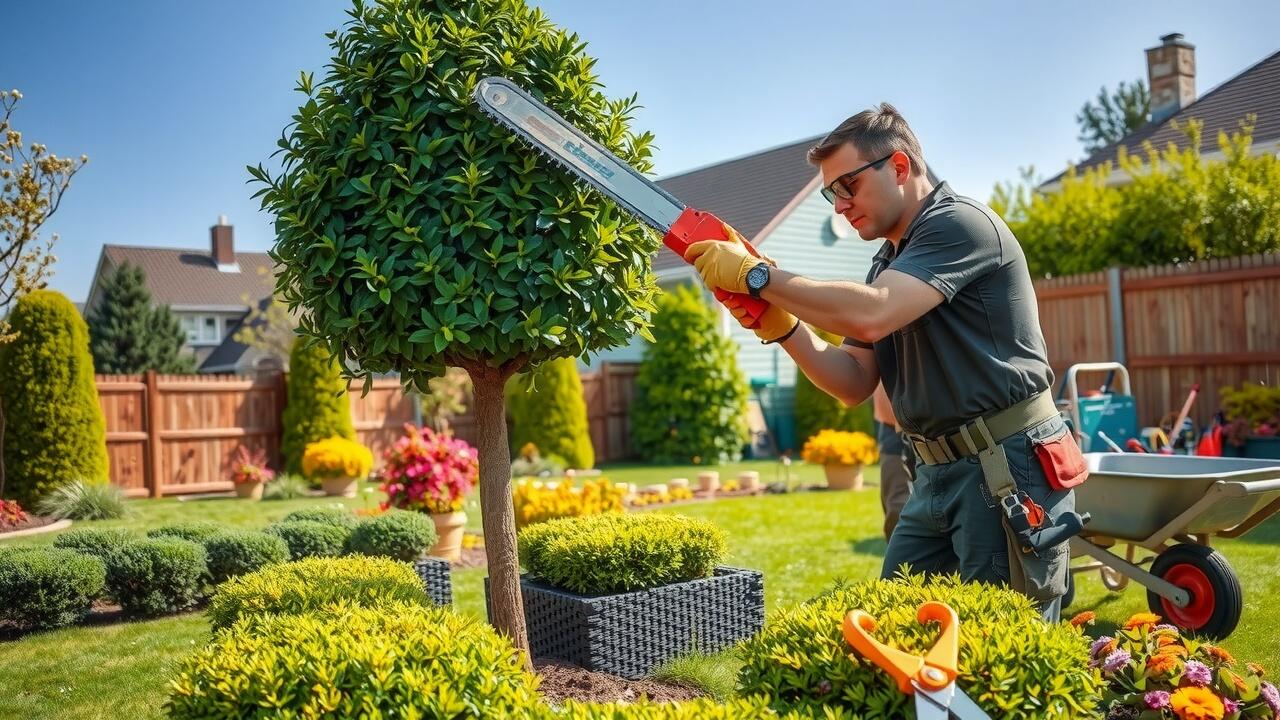
Common Myths About Tree Cutting in Florida
Many homeowners in Florida hold misconceptions about tree cutting regulations and ownership rights. A prevalent myth suggests that if a tree is on private property, the owner can cut it down without restrictions. Florida law often protects certain tree species, particularly those classified as “protected” in various municipalities. Failure to understand these regulations can lead to legal complications, fines, and the potential loss of the tree itself.
Another common myth involves the belief that an unhealthy tree can always be removed easily. While it may seem logical to cut down a tree that poses a risk due to disease or instability, local regulations may still apply. Engaging with professionals specialized in tree care, such as those at Tree & Shrub Care in Wynwood, Miami, could provide insight into the best course of action. These experts can offer guidance on whether trimming or pruning is a viable alternative to cutting down a problematic tree.
Misunderstandings About Tree Ownership
Many people hold misconceptions about tree ownership that can lead to unintentional legal issues. One common belief is that if a tree is located on one’s property, the owner can cut it down without any restrictions. However, Florida law protects certain native species, meaning owners must investigate if removal is permitted. Understanding the responsibilities tied to tree ownership is essential, especially for those in urban areas where regulations may be stricter.
Additionally, the assumption that all trees can be managed or altered without consulting professionals is misleading. Engaging in proper tree management practices, such as pruning or trimming, is not just about aesthetics; it can significantly affect the health of the tree and surrounding landscape. For residents seeking expert advice, services like Tree & Shrub Care in Wynwood, Miami provide valuable insights on maintaining tree health while complying with local regulations.
How to Obtain Permission for Tree Removal
Obtaining permission for tree removal in Florida often requires understanding local regulations and potential environmental impacts. Each municipality may have specific guidelines that dictate when and how a tree can be removed. Engaging with local authorities can clarify these requirements. Consulting a certified arborist can also help evaluate the tree’s health and whether removal is necessary. Resources like Tree & Shrub Care in Wynwood, Miami, can provide valuable insight into maintaining tree health or assessing alternative options.
The initial step usually involves documenting the reasons for removal and gathering relevant property information. Homeowners may need to apply for a permit, which often includes submitting an application form and, in some cases, a fee. Some areas may also require a site visit from city officials to assess the tree and its surroundings. It is crucial to be aware of any protected species in the area as these regulations can influence the decision on tree removal.
Steps to Follow for Legal Compliance
Before proceeding with tree removal in Florida, it is crucial to understand the local regulations. Different municipalities have specific laws governing the removal of certain species, especially those classified as protected. Begin by checking with your local government or tree preservation board to obtain information about any required permits. Documentation may be needed to validate the necessity for removal, such as evidence of decay or disease in the tree, which can help in securing permission.
Once you have gathered the necessary information, follow the established procedures to submit your request for tree removal. This usually involves completing a form and possibly attending a public hearing. Engaging with professionals, such as Tree & Shrub Care in Wynwood, Miami, can provide valuable insights into the process. They can help ensure that all legal requirements are met, making the journey to tree removal as smooth as possible while adhering to the community’s guidelines.
Alternatives to Cutting Down Trees
When tree removal is not an option, alternative methods can assist in maintaining a healthy landscape while preserving trees. Regular maintenance, such as pruning, can enhance the aesthetic appeal of trees and promote growth. Proper pruning techniques help remove dead or unhealthy branches, minimizing potential hazards without resorting to cutting down the entire tree. Homeowners often overlook the benefits of seasonal trimming, which can also encourage better air circulation and sunlight penetration.
Another effective alternative is to invest in professional services like Tree & Shrub Care in Wynwood, Miami. These specialists provide tailored care plans, helping to address specific issues such as pests or diseases that may affect the trees. Additionally, they offer advice on how to best support the trees’ overall health. Implementing such strategies not only preserves the beauty of the landscape but also contributes to a more sustainable environment.
Safe Pruning Techniques
Pruning a tree properly enhances its health and appearance. Focus on removing dead or diseased branches first. Make clean cuts at appropriate angles to promote healing. Always use sharp, clean tools to reduce the risk of injury to the tree. For larger branches, consider employing the three-cut method to prevent tearing and damage to the bark. Understanding the right time for pruning is equally important. For many species, late winter or early spring serves as the ideal period.
When dealing with specific trees, such as those native to Florida, it’s crucial to understand their growth patterns and needs. Consulting professionals can provide invaluable insights, especially in areas like Tree & Shrub Care in Wynwood, Miami. They can guide you on the best practices for your particular species. Regular maintenance not only helps shape the tree but ensures that it can thrive in its environment. Take care to follow local guidelines and regulations to protect the natural landscape while enhancing the beauty of your yard.
FAQS
What types of trees are protected in Florida?
In Florida, certain tree species, such as the native cypress and oak trees, may be protected under local ordinances or state regulations. It’s important to check with your local government for specific protections.
Do I need a permit to cut down a tree in Florida?
Yes, in many cases, you will need a permit to cut down a tree in Florida, especially if it is a protected species or if it is located in a designated conservation area. Always consult your local regulations.
What should I do if a tree is damaging my property?
If a tree is causing damage to your property, you should first consult a certified arborist to assess the situation. They can recommend options such as pruning or, if necessary, guide you through the tree removal process legally.
Are there penalties for cutting down a protected tree in Florida?
Yes, penalties for illegally cutting down a protected tree in Florida can include hefty fines, required replanting, and legal action. It’s crucial to follow the proper procedures to avoid these consequences.
What alternatives are available to cutting down a tree?
Alternatives to cutting down a tree include safe pruning techniques, tree relocation, or even utilizing the tree’s natural growth by integrating it into your landscape design. Consulting with a professional can provide tailored solutions.
